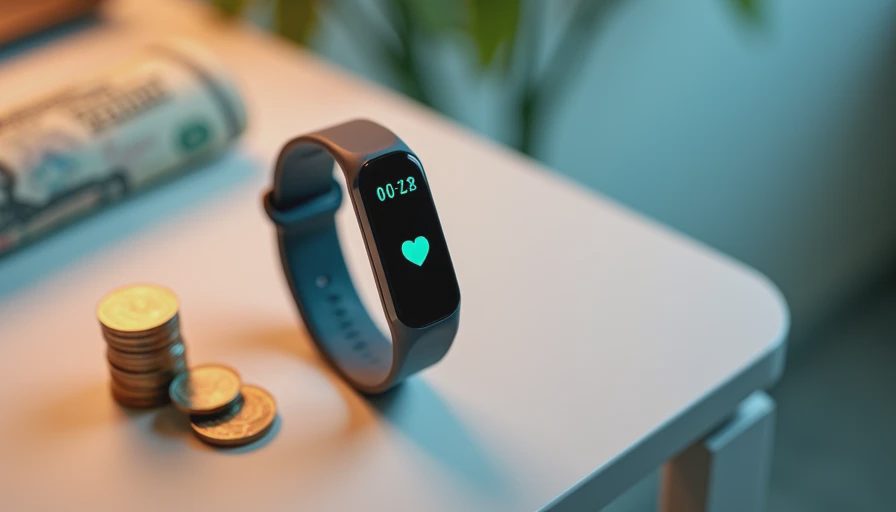
The Price Floor Most People Ignore
When someone asks for a “good enough” tracker, the conversation usually starts around $100–150. That range is comfortable and capable. But a meaningful number of people simply want basic movement, heart-rate trends, and sleep duration without spending more than a nice dinner. The under-$50 tier exists for them, and it is more useful than the marketing budgets of premium brands suggest.
I have worn multiple devices in this price range for multi-week stretches. None of them felt premium. Several of them delivered the core signals I actually use for everyday decisions. Understanding the real trade-offs helps people avoid both overspending and under-expecting.
What You Actually Get
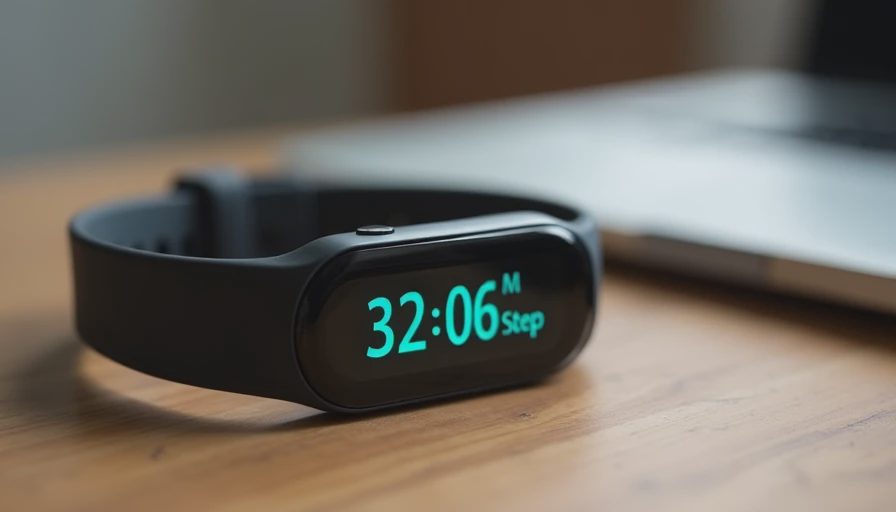
Most competent trackers under $50 provide:
Continuous or frequent heart-rate sampling
Step counting and basic daily movement
Sleep duration (sometimes light/deep estimates)
A simple app with multi-day trends
Battery life measured in days rather than hours
The optical sensors are usually good enough for resting heart rate and easy-effort trends. Sleep tracking captures total time in bed and rough overnight heart-rate patterns. Step counts are directionally accurate for most people. For someone whose main goals are “move more, sleep enough, notice when resting heart rate is rising,” this level of data is often sufficient.
What You Clearly Sacrifice
You give up refinement. Screens are smaller or absent. GPS is almost never included. Advanced running metrics do not exist. App ecosystems are simpler and sometimes clunky. Build quality and band materials feel cheaper. Software updates are less frequent. Customer support is limited.
Optical heart-rate accuracy during hard intervals or high-cadence work is noticeably weaker. Sleep-stage breakdowns are more speculative. Recovery scores, when present, are basic. The device will not guide a structured workout or map a trail run.
If those features matter to how you train, the under-$50 tier will frustrate you. If they do not, the sacrifices are mostly about polish rather than core utility.
Real-World Performance From the Tier
During testing I focused on the metrics that survive lower price points: resting heart rate trend, total sleep time, and daily movement. On those three the better under-$50 devices tracked closely enough to more expensive models that daily decisions did not change. A rising resting-heart-rate pattern over a week showed up clearly. Short sleep nights were flagged. Step totals matched the direction of higher-end trackers even if the absolute numbers differed slightly.
Battery life was often a pleasant surprise—many lasted five to seven days. Comfort varied with band quality, but the lighter designs disappeared on the wrist more easily than some bulkier mid-range watches.
Failures were mostly related to expectations. People wanting precise pace data or detailed training load analysis will be disappointed. People wanting a quiet daily signal about movement and recovery often will not.
Who This Tier Actually Serves
The under-$50 tracker is a strong match for:
Someone new to wearables who wants to test the habit before spending more
A person focused mainly on step goals and basic sleep awareness
Anyone who wants overnight heart-rate trends without another expensive device
A secondary or backup tracker for travel or rough use
It is a weak match for dedicated runners who rely on GPS and structured workouts, or for users who want polished apps and long-term software support.
The Good-Enough Verdict
You sacrifice precision, features, and refinement. You do not sacrifice the ability to see whether you are moving, whether you are sleeping enough hours, or whether your resting heart rate is trending in the wrong direction over time. For a large group of people those three signals are the majority of what changes behavior.
Buy the cheapest tracker that still provides reliable resting heart rate and sleep duration, wear it consistently, and look at the multi-day picture. If after two months you find yourself wanting GPS, better workout tools, or cleaner software, move up a tier with clear knowledge of what you are buying. If the basic data is enough, you have just saved a meaningful amount of money and avoided unnecessary complexity.
The best device is still the one you wear and interpret calmly. At under $50 that standard is more achievable than most people expect.
Trust the trend, not the reading—and do not assume the trend requires an expensive sensor to appear.
No letters yet — pray write the first.