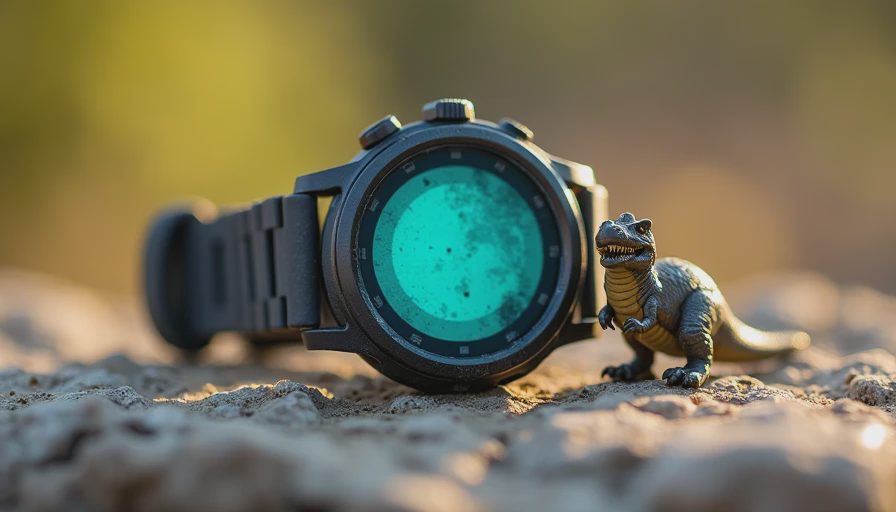
How Devices Actually Fail
Most wearables survive the marketing tests. They get rated to 5 ATM or 50 meters, pass a controlled pressure check, and earn a claim that they are fine for swimming. Then they meet daily life. Chlorinated pools, dried sweat left for hours, sunscreen mixed with trail dust, accidental dishwasher cycles, and the creative destruction of small children. Those conditions are harder to put on a spec sheet.
I run every long-term test through the same unofficial gauntlet. The device stays on for swimming. It gets sweaty and is not immediately rinsed. It comes along on dusty trail runs. And it spends time in the same house as a seven-year-old and a ten-year-old who are fascinated by anything that lights up and can be pressed.
The failures that matter are the ones that appear after weeks, not the ones that show up in the first hour.
Water: Pool, Sweat, and the Occasional Sink
Swimming itself is rarely the problem for modern mid-range devices. I have taken multiple watches through repeated pool sessions with no fogging or sensor failure. The bigger issues are residual chlorine and the combination of sweat plus sunscreen left on the optical window or buttons.
One earlier test unit developed a faint haze over the heart-rate sensor after several weeks of pool and sweaty runs without thorough cleaning. The readings continued, but the window never looked new again. Another device kept perfect optical performance but saw the silicone band degrade and become sticky after repeated exposure to sunscreen and heat.
Simple habits help: rinse after swimming, wipe the sensor window, and let the band dry fully. Devices that still look and function well after months of imperfect care earn higher marks than those that require constant babysitting.
The Toddler Variable
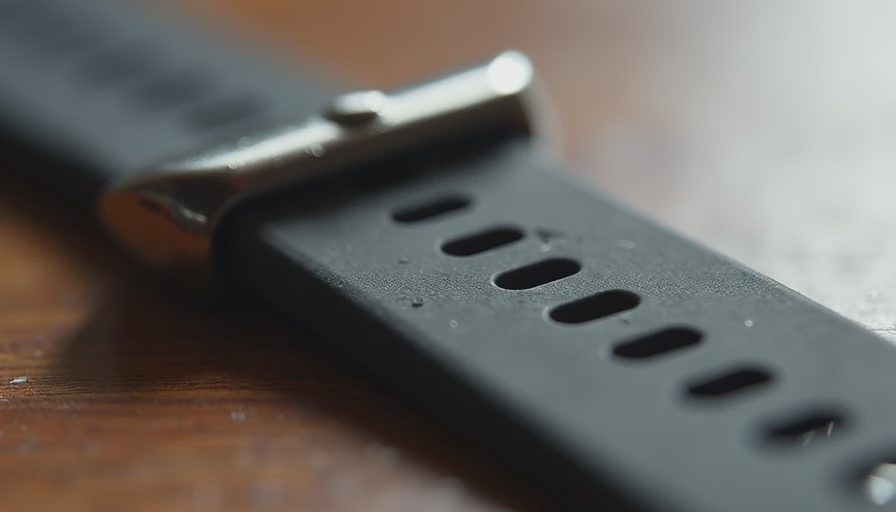
Children are an excellent accelerated durability test. Buttons get mashed. Bands get pulled. Screens get tapped with sticky fingers or examined by teeth. One very angry toddler (the younger one, having a strong opinion about bedtime) once decided a glowing watch face was the enemy of the moment. The band held. The screen picked up fine scratches but did not crack. The optical sensor survived.
I have retired a few bands that stretched permanently after determined pulling. Metal links have survived better than expected; cheap silicone has been more variable. The lesson is consistent: if a device cannot handle curious or frustrated small hands, it will not handle a year of normal adult clumsiness either.
What Has Held Up Across Tests
The devices that finish ninety-day tests in good working order usually share a few traits. Buttons have positive click and resist grit. Optical windows are set in a way that does not collect residue easily. Bands can be removed and cleaned or replaced without tools. The case materials show scuffs but do not crack or discolor dramatically.
Screen hardness varies. Some pick up visible scratches from door frames and trail branches yet remain fully usable. Others stay cleaner but feel more fragile when dropped. I prefer a screen that accepts light wear over one that risks cracking from a single hard knock.
Practical Durability Checklist
After enough long tests I look for:
Real swimming use without fogging or sensor loss
Optical window that can be wiped clean of sunscreen and sweat residue
Band material that does not stretch or turn sticky after weeks of heat and salt
Buttons that still click after exposure to dust and grit
Ability to survive the occasional drop onto wood or trail rock
Lab ratings remain a useful starting filter. They are not a substitute for time on a living wrist.
The Honest Outcome
Most competent mid-range watches survive ordinary swimming and sweat if given minimal care. The ones that still look respectable and function normally after months of real use—including the toddler stress test—are rarer. Those are the devices worth recommending for everyday athletes who do not want to treat their tracker like a museum piece.
Durability is not glamorous. It is simply the difference between a tool that stays on the wrist and one that ends up in a drawer because the band failed or the sensor window clouded or the buttons got mushy. After enough long tests, that difference becomes the feature I care about most.
Trust the trend, not the reading—and trust the watch that can still deliver the trend after swimming, sweat, and one very angry toddler.
No letters yet — pray write the first.