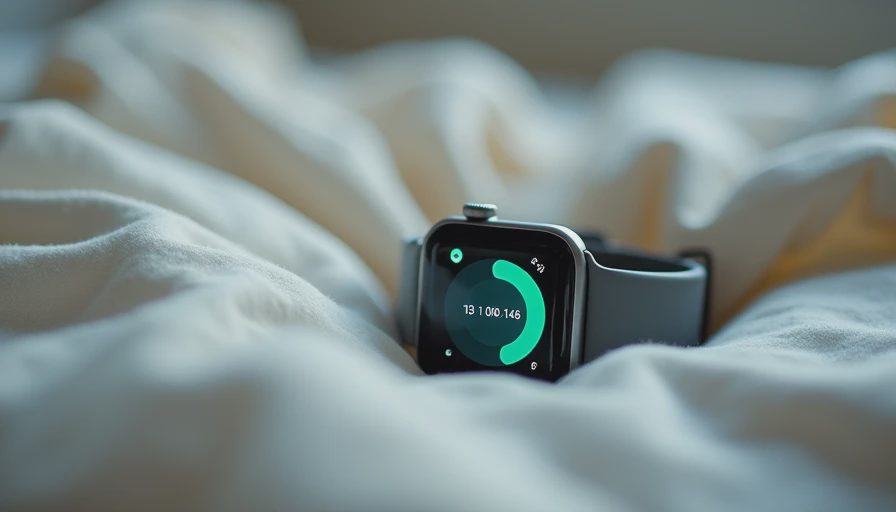
The Morning Disconnect
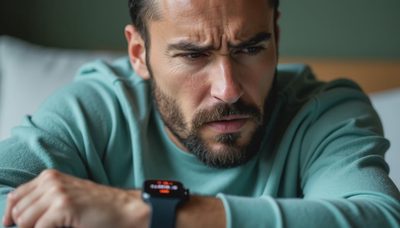
You look at the app and see six and a half hours of sleep. The stage chart looks reasonable. The score is average or even slightly above. Then you stand up and feel like you have been hit by a truck. Motivation is low. The first easy miles feel heavier than they should. The data and the body are telling different stories.
This mismatch is one of the most common complaints I hear. It is also one of the easiest to misunderstand. Most consumer devices are reasonably good at estimating how long you were asleep. They are far less reliable at explaining sleep quality or predicting how restored you will feel the next day.
What the Watch Is Actually Measuring
Total sleep time is the strongest number most wearables produce. Movement and heart-rate patterns give a usable estimate of when you fell asleep and when you woke. That part of the report is usually directionally correct.
Everything beyond duration is more speculative. Sleep stages are inferred, not directly observed. “Deep” and “REM” minutes can vary widely between devices on the same night. Recovery or readiness scores layer additional assumptions on top of those already imperfect stage estimates. A clean-looking chart can still sit on top of fragmented, low-quality sleep that leaves the nervous system under-recovered.
Why You Can Log Hours and Still Feel Wrecked
Several common factors produce the disconnect:
Sleep was long enough but heavily fragmented by brief awakenings the watch under-counted.
Overnight heart rate stayed elevated from residual training stress, heat, alcohol, or late food.
The timing of sleep was shifted later than usual, reducing the most restorative portions of the night.
Accumulated fatigue from previous days was still present; one average night does not erase a week of short sleep.
Psychological stress kept the nervous system activated even while the body was motionless.
In all of these cases the watch can report acceptable duration while the actual recovery signal remains poor. Resting heart rate and the multi-day trend of that number often reveal the problem more clearly than the sleep-stage pie chart.
The Metrics That Line Up Better With How You Feel
Over years of comparing device reports against how athletes actually perform the next day, two signals stand out.
First, overnight or morning resting heart rate relative to your personal baseline. When that number is clearly elevated for more than a day or two, people usually feel it. Second, the longer trend of total sleep time across the week rather than any single night. A string of slightly short nights explains residual fatigue better than one average night after several bad ones.
HRV can add supporting information when viewed as a multi-day average, but it is noisier and more sensitive to immediate conditions. I treat it as secondary confirmation rather than the primary explanation.
A Practical Morning Check
Instead of starting with the detailed stage report, look at three things in order:
How many hours of actual sleep did I get last night, and how does the last seven days look?
Is my resting heart rate clearly above my recent average?
How do the legs and general motivation feel once I am up and moving?
If duration has been adequate, resting heart rate is normal, and the body feels reasonable, the detailed stages rarely change the plan. If resting heart rate is elevated and you feel wrecked, treat the day as a recovery opportunity even if last night’s chart looked acceptable. The body is giving the more accurate summary.
What I Tell Athletes
Stop expecting the sleep score to predict your day with high precision. Use the watch to catch short-sleep trends and elevated overnight heart rate. Then let your actual physical and mental state make the final call. One average night after a stretch of poor sleep will not fully restore you. One poor-looking stage chart after a solid week of rest rarely ruins the next session.
The goal is not perfect overnight data. The goal is enough consistent recovery that training can progress without constant negotiation. Duration is the foundation. Resting-heart-rate trend is the early-warning system. How you feel when you start moving is the final referee.
Your watch can tell you that you were mostly still for six hours. It cannot fully tell you whether those six hours did the job. Learning the difference keeps the data useful and the morning decisions calmer.
Trust the trend, not the reading—especially when the reading is a single night’s sleep report and the trend includes how you actually feel.


No letters yet — pray write the first.