The Feature That Changed the Conversation
When consumer watches began offering single-lead ECG readings and irregular-rhythm notifications, the questions in the clinic changed almost overnight. Patients arrived with screenshots instead of vague descriptions of palpitations. Some had caught genuine issues early. Others had spent anxious days or weeks over readings that turned out to be benign.
I have always believed the technology itself is impressive. A wrist device that can record a usable ECG and flag possible atrial fibrillation is a meaningful step. The problems arise in how the information is interpreted and how often people check it.
What a Watch ECG Actually Captures
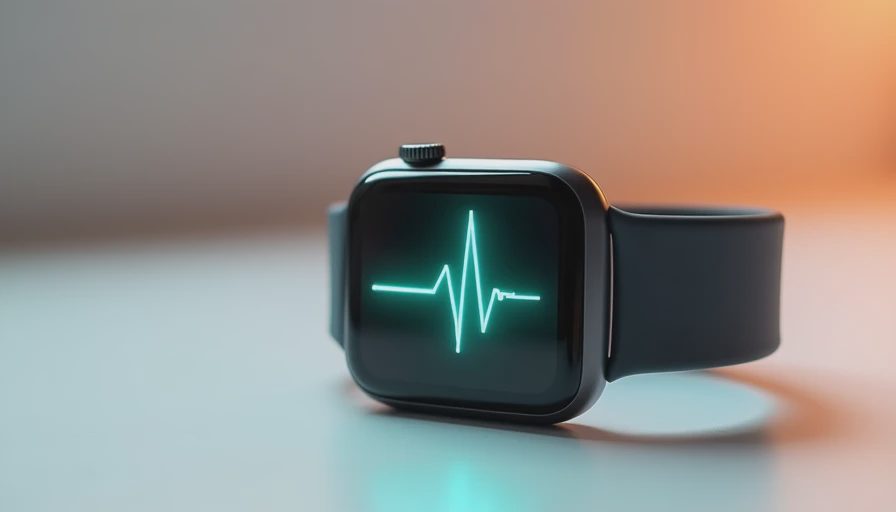
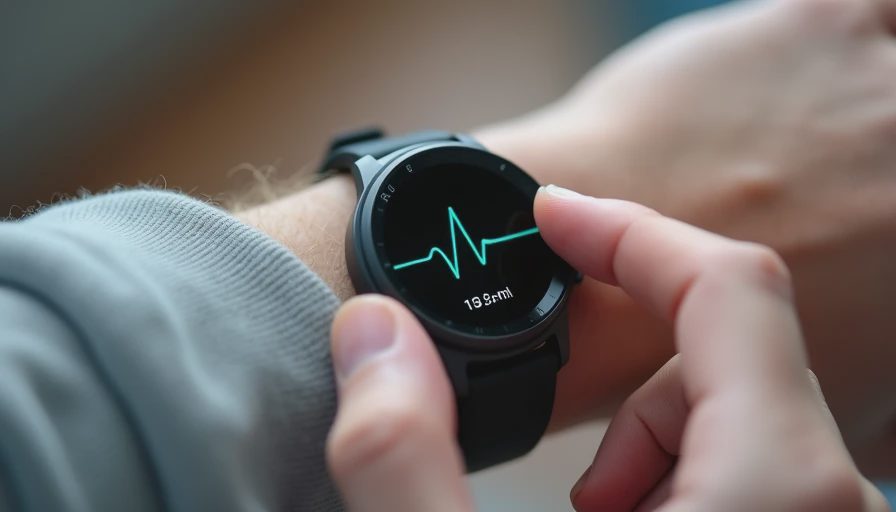
A typical watch ECG uses electrodes on the digital crown or frame and the back of the case to record a single-lead rhythm strip for thirty seconds. It can show clear sinus rhythm, obvious irregular patterns, or readings that are simply inconclusive because of movement, poor contact, or tremor.
It is not a twelve-lead clinical ECG. It does not replace a medical evaluation. It does give a snapshot of the heart’s electrical activity at one moment in time, which is more information than most people had easy access to before.
Afib detection algorithms work differently. They usually monitor pulse irregularity through the optical sensor over longer periods and then prompt the user for an ECG if the pattern looks suspicious. Sensitivity and specificity are good in studies, but false positives still occur, especially in people with frequent premature beats or certain other rhythms.
Lessons From the Clinic
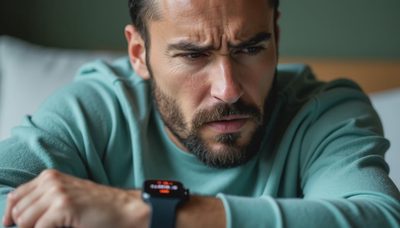
In cardiac rehab I saw both ends of the spectrum. One patient recorded a clear new-onset Afib episode during a night of poor sleep and brought the strip in the next morning. That early detection led to timely evaluation and treatment. Another patient checked his watch dozens of times a day after a single inconclusive reading and developed significant anxiety that itself produced more irregular beats and more alerts.
The difference was rarely the technology. It was the context and the response. A single alert is information. A cascade of repeated checks and escalating worry is a new problem layered on top of the original data.
Practical Guidance I Still Give
If your watch flags a possible irregular rhythm, sit down, take a proper ECG recording if the device allows it, and note how you feel. Do not immediately assume the worst. Do not ignore it either. Share the recording with a clinician who can place it in the context of your history, symptoms, and risk factors.
Do not use the watch as a constant home rhythm monitor unless a doctor has specifically recommended that approach. Frequent checking raises anxiety for many people and does not improve outcomes on its own.
Remember that many alerts turn out to be false positives or short runs of benign ectopy. The watch is better at raising a flag than at delivering a final diagnosis.
When the Feature Is Most Valuable
The people who benefit most tend to be those with risk factors for atrial fibrillation—older age, hypertension, previous heart issues, or symptoms such as unexplained shortness of breath, fatigue, or racing heart—who would not otherwise have captured a rhythm episode. For young, healthy, asymptomatic runners, the day-to-day value is lower and the potential for unnecessary concern is higher.
I still wear devices that include the feature. I do not check it casually. If an alert appears, I treat it as one data point that may deserve follow-up rather than an emergency by default.
Keeping Perspective
Consumer ECG and Afib tools are a genuine advance. They are also incomplete without clinical context. Used calmly and occasionally, they can surface real issues earlier than waiting for symptoms to become obvious. Used obsessively, they can create new stress that harms the very recovery or training the person is trying to protect.
The same principle that applies to HRV and resting heart rate applies here: the value lives in the appropriate use of the information, not in the mere presence of the feature. A watch can record a rhythm strip. It cannot replace judgment about what to do with the result.
Trust the trend, not the reading—and when the reading involves heart rhythm, let a qualified human help interpret the trend.


No letters yet — pray write the first.