If you wear an Apple Watch, Garmin, Fitbit, or Oura Ring, you probably see your average heart rate several times a day. The number looks authoritative, especially when it appears beside a neat graph. But a single reading is not a diagnosis, and it is rarely the whole story. Your average heart rate is useful when you understand what was happening when it was measured, how the device collected the data, and whether the pattern is changing over time.
After years in cardiac rehab and even more years wearing fitness trackers, I have learned to start with context. A heart rate of 82 beats per minute could be perfectly ordinary after coffee, a poor night of sleep, or a brisk walk. The same number during quiet rest, especially with symptoms, deserves a closer look.
What average heart rate actually means
Heart rate is the number of times your heart beats in one minute. An average heart rate is calculated from multiple readings during a selected period, such as a workout, a sleep session, a day, or a week. Those time windows are not interchangeable. A daily average includes standing, walking, eating, working, climbing stairs, and resting. A sleeping average reflects a much narrower slice of your physiology.
For many adults, a resting heart rate between roughly 60 and 100 beats per minute is considered a typical broad range. Endurance-trained runners can sit below that range without a problem, while stress, dehydration, fever, medications, nicotine, alcohol, and caffeine can push a normal reading higher. Fitness matters, but it is not the only factor.
This is why I prefer a consistent morning measurement over a random daytime number. Check your pulse after waking, before coffee, while lying or sitting quietly. Do that for several days, then compare the pattern rather than reacting to one result. Trust the trend, not the reading.
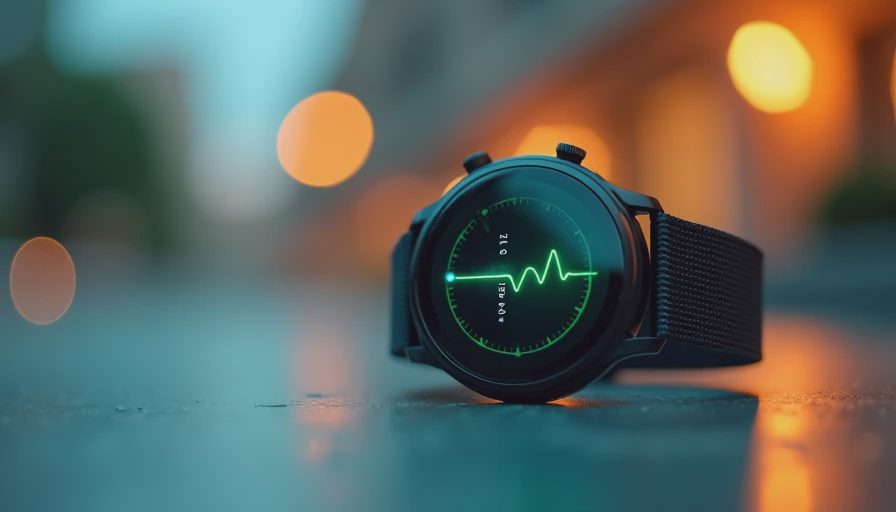
Resting, sleeping, and exercise numbers are different
Your resting heart rate is usually the most practical metric for spotting changes in your baseline. It does not need to be impressively low. A relaxed, consistent number that supports your normal activity is more meaningful than chasing a target borrowed from a professional athlete.
Sleep data can be helpful, but wrist sensors are not measuring your heart continuously with clinical equipment. Movement, loose bands, skin contact, tattoos, and cooler hands can affect optical readings. A sleep average that moves from 58 to 61 beats per minute is not automatically important. A sustained increase across several nights, combined with poor sleep or unusual fatigue, can be a useful recovery clue.
During exercise, the average heart rate tells you how hard the whole session was. It can hide the difference between an easy warm-up and a hard finish. A 45-minute run averaging 150 beats per minute might include ten easy minutes, a steady middle, and a fast final mile. Look at time in each zone, perceived effort, pace, weather, and elevation alongside the average.
For strength training, the number is even less straightforward. Short rest periods can create sharp peaks, while pauses between sets pull the session average down. That does not make the metric worthless; it simply means it is better for comparing similar workouts than for grading your fitness.
How accurate are smartwatch heart-rate readings?
Modern wrist devices are good at capturing broad patterns during steady activities. They are generally less dependable during sprinting, cycling with a bent wrist, weightlifting, intervals, or any workout with rapid changes. Optical sensors estimate blood flow through the skin, while a chest strap detects the electrical timing of each heartbeat. The strap usually responds faster when intensity changes quickly.
Fit makes a real difference. Wear the watch snugly, about a finger-width above the wrist bone, and clean the sensor after sweaty sessions. A band that slides during a run can produce strange spikes or flat sections. If a number seems impossible, compare it with a manual pulse count for 30 seconds and double that result, or use a chest strap during structured training.
Brand comparisons are less useful than measurement conditions. Apple Watch, Garmin, Fitbit, and Polar devices can all produce sensible trends when worn consistently, yet no consumer wearable should replace an electrocardiogram or medical assessment. The best device is the one you wear regularly and interpret sensibly.
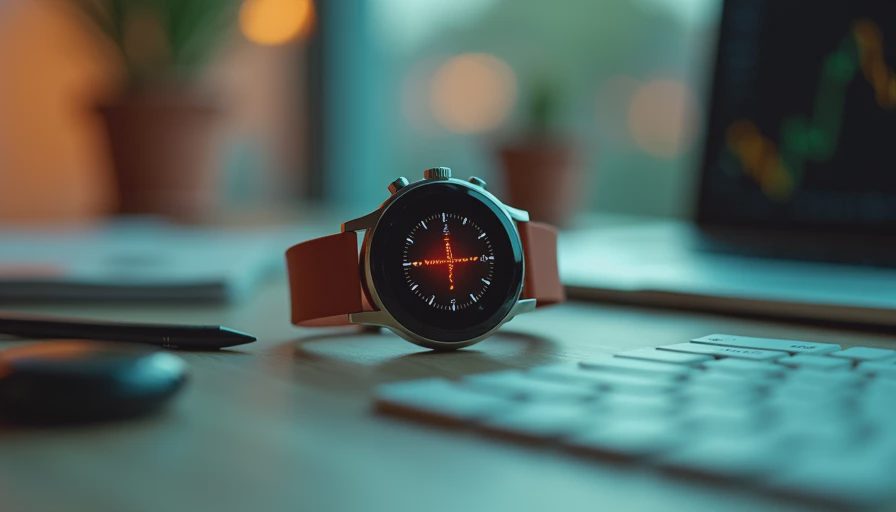
When a change deserves attention
A higher average heart rate can follow a hard training block, a hot day, dehydration, illness, emotional stress, or several nights of short sleep. Before assuming something is wrong, review those ordinary explanations. Also check whether the watch was worn differently or whether the app changed its measurement window.
The pattern matters more when it persists. If your average heart rate is repeatedly elevated at rest and you also have unusual breathlessness, chest discomfort, fainting, severe dizziness, or a racing or irregular sensation, stop exercising and seek medical advice. Severe or sudden symptoms require urgent care. A wearable alert is a prompt to pay attention, not a diagnosis.
Some medications, including certain heart and blood-pressure medicines, affect pulse. Do not change a prescription because a watch displayed an unexpected value. Bring the date, readings, symptoms, activity notes, and medication list to a clinician. That record is much more useful than saying, “My watch thinks something is wrong.”
A practical way to use the number
Choose one consistent measurement window first. For a baseline, use the morning reading collected before caffeine and exercise. Record it for one to two weeks, along with sleep quality, training, illness, alcohol, and notable stress. You do not need an elaborate spreadsheet; the notes app on your phone is enough.
Next, establish your personal normal. Maybe your average heart rate is usually 62 to 66 beats per minute, then rises into the low 70s during a demanding work week. That range tells you more than a generic internet chart. For training, compare similar routes and effort levels rather than comparing your number with a friend’s.
Finally, decide what action the data supports. A stable baseline can reassure you and help guide recovery. A gradual rise may be a reason to take an easier day, hydrate, or prioritize sleep. A persistent change with symptoms belongs in a medical conversation. The number should change what you do, not simply give you another notification to worry about.
The bottom line for wearable owners
Average heart rate is a useful trend metric, not a scoreboard and not a stand-alone health verdict. Separate resting, sleeping, and exercise measurements. Wear the device consistently, question strange spikes, and remember that sensors have limits. A low number is not automatically better, and a higher number is not automatically dangerous.
Use your watch as a practical observer. Pair its data with how you feel, what you did, and how the pattern develops over several days. If readings are persistently unusual or symptoms appear, involve a qualified clinician instead of troubleshooting forever in an app. That calm approach has served me better than chasing perfect numbers, and it is the one I recommend to runners, gym-goers, and anyone trying to sleep better.
No letters yet — pray write the first.