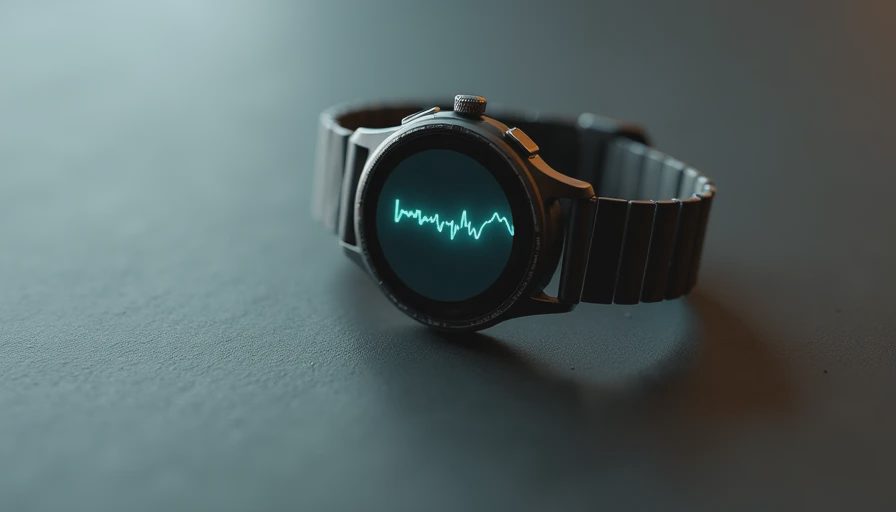
The Morning Number That Ruins Breakfast
I used to have a runner—let’s call her Sarah—who would open her app before she even put her feet on the floor. If the HRV number was lower than the day before, the whole morning shifted. Coffee tasted different. The planned easy run suddenly felt dangerous. By the third week she was texting me screenshots at 6:15 a.m. asking if she should skip the workout.
I told her the same thing I tell almost everyone now: that single number is not a grade. It is one data point in a noisy signal. Treating it like a report card is how people start managing their lives around a wrist sensor instead of the other way around.
Heart-rate variability is useful. It is also one of the most misunderstood metrics a wearable can spit out. The devices make it look simple—green, yellow, red, or a neat score out of 100. Real physiology is messier, and that mess is where the actual information lives.
What HRV Actually Measures
Strip away the marketing and HRV is just the variation in time between consecutive heartbeats. Your heart does not beat like a metronome. The intervals stretch and shorten with every breath, every shift in nervous-system balance, every bit of residual fatigue or stress.
In plain terms, higher variability usually means your autonomic nervous system is flexible—able to switch between “go” and “recover” without getting stuck. Lower variability often shows up when the system is under load: hard training, poor sleep, illness starting, psychological stress, even a heavy dinner the night before.
The key word is “usually.” A single low reading can mean you need rest. It can also mean you slept in a cold room, wore the band too tight, drank coffee late, or simply had a normal day of life with two kids and a coaching schedule. The sensor does not know the difference. The algorithm guesses.
I spent enough years in cardiac rehab watching patients obsess over similar numbers to know how quickly a useful signal turns into noise when people stare at it too hard. The same pattern shows up with runners and desk workers who suddenly decide their HRV score is the final authority on whether they are allowed to train.
Why the Daily Score Misleads
Most consumer devices turn the raw variation into a single daily number or color. That compression is convenient. It is also the main source of trouble.
Night-to-night HRV can swing for reasons that have nothing to do with training readiness. Alcohol, late meals, room temperature, menstrual cycle phase, residual muscle soreness, even the angle of your wrist while you sleep can move the number. One study I keep coming back to showed that simply changing sleep position was enough to create differences larger than many people treat as meaningful.
When the app then labels that number “poor recovery,” it invites a decision based on incomplete information. Skip the run? Take an extra rest day? Start worrying that something is wrong? All of those responses can be correct on some mornings. They can also be pure overreaction on others.
The better question is never “What is my HRV today?” It is “What has my HRV been doing over the last ten to fourteen days relative to my own baseline?”
How I Actually Read the Trend
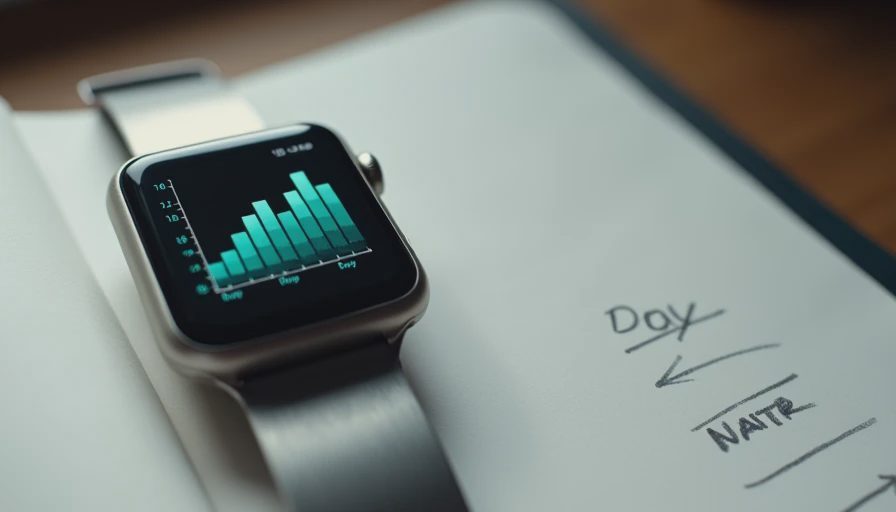
Here is the practical method I use with athletes and with myself.
First, ignore the color and the score for the first two weeks of any new device. Let it collect data while you train and live normally. You need a personal baseline more than you need daily judgment.
Second, look at the rolling average. Most good platforms will show a weekly or multi-day average. That line matters more than any single dot. A gradual downward drift while training load is rising is information. A sharp one-day dip after a normal easy day is usually just noise.
Third, pair the number with context you already have. How did the first mile feel? Is resting heart rate also climbing? Did sleep hours actually drop, or did the watch just decide the stages looked different? The wearable is one input. Your body is still the primary sensor.
I keep a simple rule for myself: if the seven-day HRV average is stable and resting heart rate is not rising, I train as planned even if today’s single reading looks soft. If both the average and resting heart rate are moving in the wrong direction for more than a few days, I back off or insert extra recovery. That approach has kept me from both under-training and digging unnecessary holes.
The Cardiac-Rehab Lesson That Still Applies
In the clinic we saw patients whose entire mood could be dictated by a single biometric. One man would check his overnight heart-rate data and then decide whether the day was allowed to be good. We eventually had him leave the device in another room until after breakfast. His anxiety dropped. His actual recovery numbers, once he stopped staring at them, improved.
The same dynamic plays out with HRV. The act of constant monitoring can itself become a stressor. You end up chasing a number instead of collecting useful information. That is the opposite of what the metric is for.
A wearable should change what you do only when the pattern is clear. One low morning does not equal a broken system. Two weeks of declining variability paired with rising resting heart rate and heavier legs might. The difference is the trend.
Practical Habits That Keep HRV Useful
Wear the device consistently, especially at night, so the data is comparable.
Charge it on a schedule that does not create multi-day gaps.
Look at the data once a day, not five times.
Compare against your own baseline, not against some online average for “elite athletes.”
When the number looks ugly, ask what else changed before you rewrite the training plan.
And keep the signature idea in mind: trust the trend, not the reading. The daily score is a headline. The real story is written across days and weeks.
I still wear the devices. I still look at HRV. I just refuse to let a single morning number decide whether I get to train or whether I get to enjoy my coffee in peace. The physiology is more interesting—and far more useful—when you give it time to speak in full sentences instead of isolated words.



No letters yet — pray write the first.