A wearable battery life comparison sounds simple until you actually live with these devices for a few weeks. The spec sheet says one thing, your habits say another, and the charger on your nightstand ends up telling the truth. I have worn enough watches, rings, and trackers to know that the best battery is not always the longest one on paper. It is the one that fits your routine. A Garmin that lasts 10 days is great if you hate charging, but an Apple Watch that needs a nightly top-off can still be the right pick for a person who wants quick replies, solid apps, and tight iPhone integration. Trust the trend, not the reading.
How I judge battery life in the real world
In any wearable battery life comparison, I look at three things: how often you must charge, what features you actually use, and how the battery behaves after a couple of weeks, not day one. GPS drains far more than step counting. Always-on display costs more than raise-to-wake. Sleep tracking is a bigger deal than most people think, because a device that dies at bedtime misses the data that changes behavior. I also pay attention to charging friction. A watch that goes from dead to ready in 20 minutes can be easier to live with than a device that claims 14 days but needs a long, annoying dock session. That is why I wear one device like a normal person and keep a $20 Casio on the other wrist as a control.
The short list: what the major brands feel like on your wrist
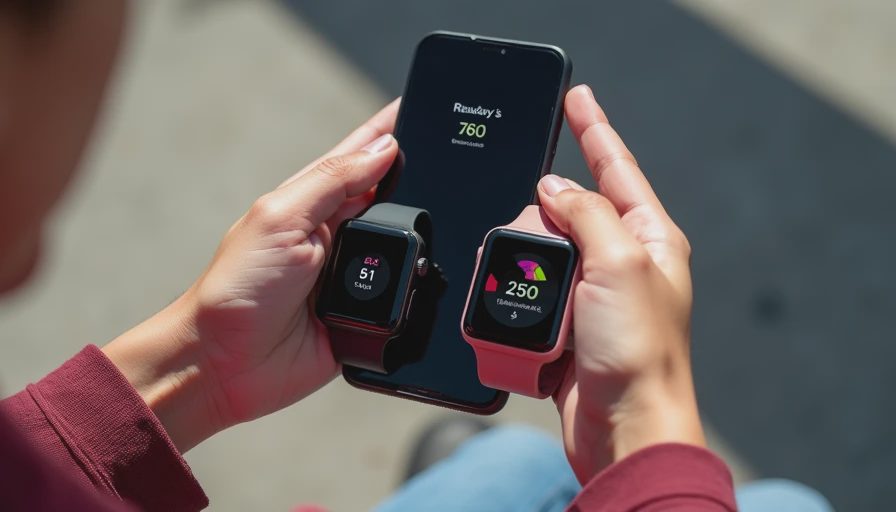
For a straight wearable battery life comparison, the split is obvious. Apple Watch Series 9 is still a daily charger for most people, with roughly 18 hours on paper, though the Ultra 2 stretches that into the 30-hour-plus range and gives heavier users a lot more breathing room. Garmin is the opposite end of the room. A Venu 3 or Forerunner 965 can run for days or even well over a week depending on settings, and if you use GPS less aggressively, the battery story gets even better. Oura Ring Gen3 usually lasts about five to seven days, which is why a lot of sleep-focused buyers like it. Whoop 4.0 typically sits in the four- to five-day neighborhood. Fitbit Charge 6 is a middle-ground pick, often about a week. Samsung Galaxy Watch models have improved, but they still live closer to the Apple side than the Garmin side.
Charging habits matter more than the spec sheet
The device that fits your charging rhythm usually wins. If you shower, sit at a desk, and like a quick top-off, a smartwatch with a daily habit is painless. If you travel a lot, camp on weekends, or forget the puck on your kitchen counter, a multi-day device saves real frustration. I see this all the time with runners. People swear they want every metric under the sun, then realize they only care about battery after a long run with GPS and music drains the watch before dinner. That is where a running watch with a bigger battery, like a Garmin Forerunner line model, starts to make sense. The battery is not just a spec. It is the difference between using the watch every day and using it until it becomes a chore.
Where short battery life is perfectly fine
Short battery life is not a deal-breaker if the rest of the device is doing real work for you. If you are deep in the iPhone ecosystem, an Apple Watch gives you calls, messages, payments, fall detection, and strong app support in exchange for a nightly charge. That trade is easy for a lot of people. The same goes for a Samsung watch if you live on Android and want smartwatch features first. I would rather see someone charge every night and use the device than chase a seven-day promise they never enjoy. If the watch changes what you do, the battery is enough.

The models that make daily life easier
If your priority is fewer charging decisions, Garmin and Oura tend to be the least annoying to live with. Garmin works best when you want training data, sleep, and good visibility outdoors without thinking about the charger every night. Oura is great when you care more about overnight wear and recovery than on-wrist apps. Fitbit still has a place for people who want something simple, relatively inexpensive, and easy to keep alive for a week at a time. For me, that mix matters more than one headline number. A watch that needs charging every night can still be the right answer if it fits your life. A ring that lasts a week is not useful if you never wear rings. This is where the real wearable battery life comparison stops being about battery length and starts being about friction.
My simple rule before you buy
Ask one question: how often are you willing to charge without resenting it? If the answer is every night, the broader smartwatch world opens up. If the answer is every few days, look hard at Garmin, Oura, and the better Fitbits. If you want both long battery and full smartwatch polish, be ready to compromise on one side or the other. That is not a flaw. It is just how the category works. My advice is boring because it saves money: buy the device you will wear for a month, not the one with the prettiest battery screenshot. That is the whole point of a wearable battery life comparison, and it is usually the difference between a gadget and a habit.



No letters yet — pray write the first.